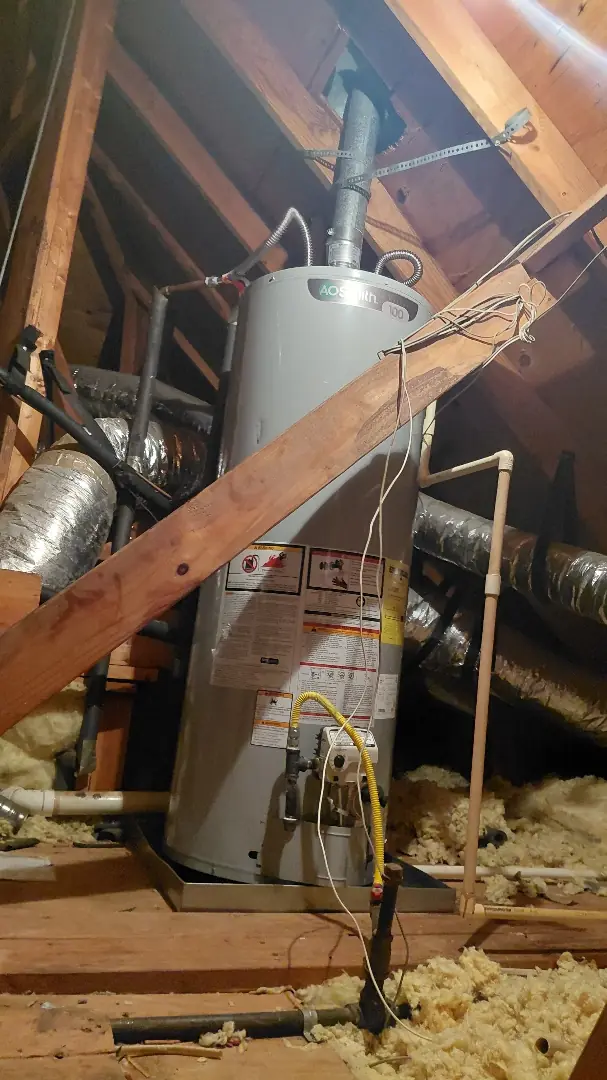
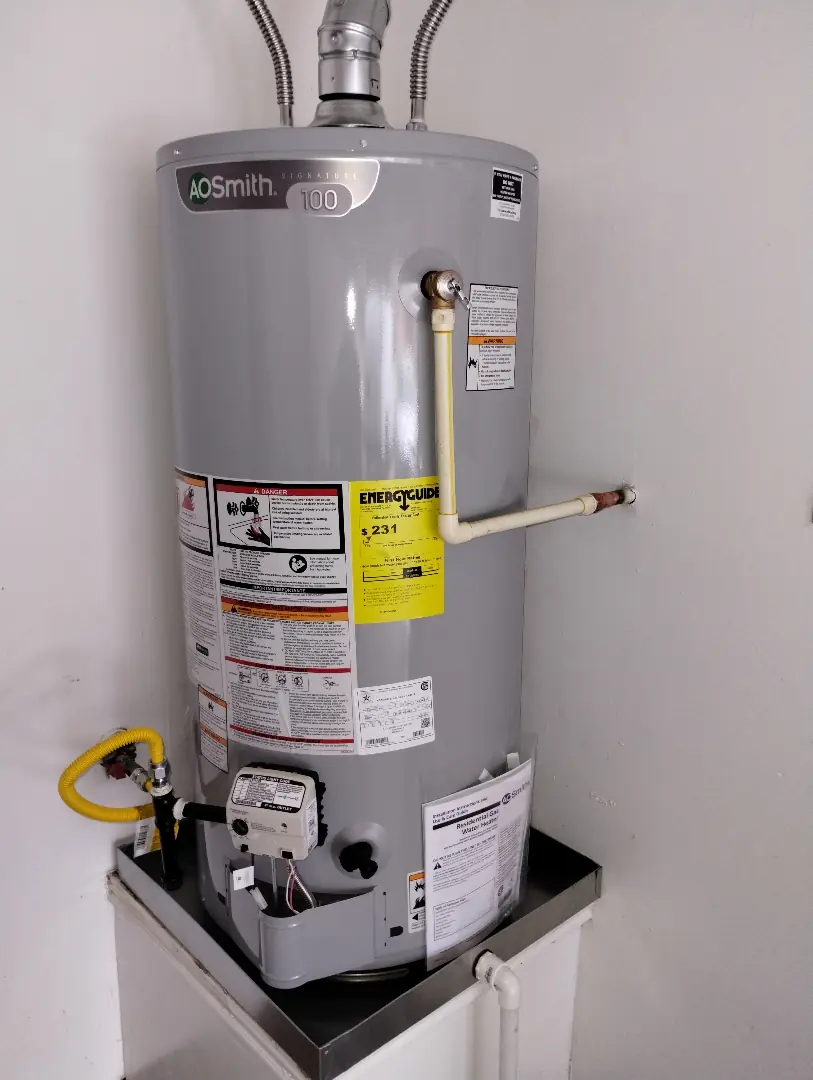
State Water Heater Replacement
When your State water heater reaches the end of its useful life, replacing it gives you an opportunity to make sure the new equipment meets your household's needs.
We help homeowners compare residential gas and electric tank water heaters based on the existing installation, available space, and amount of hot water needed.
If you've been happy with your current State water heater, you may want to replace it with a similar model.
But if someone in your family regularly runs out of hot water, we don't want to install another tank that creates the same problem.
We'll ask how well your existing water heater has performed before recommending a replacement.
Understanding State ProLine Water Heaters
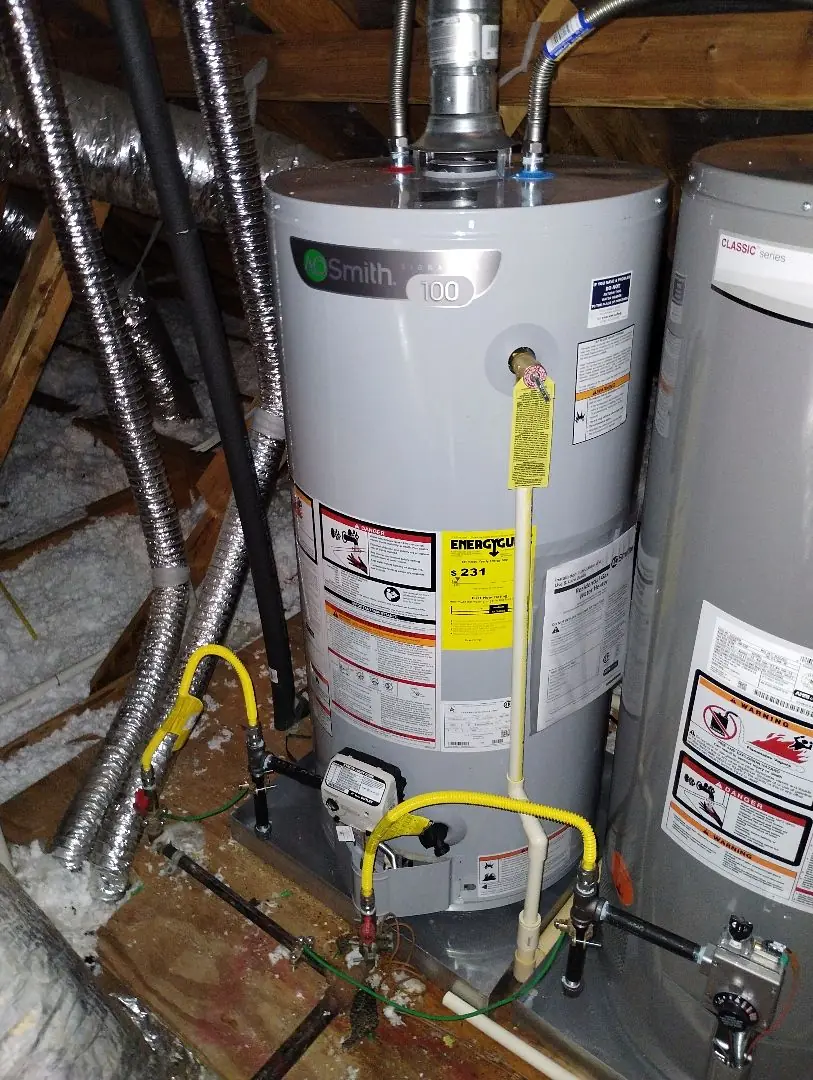
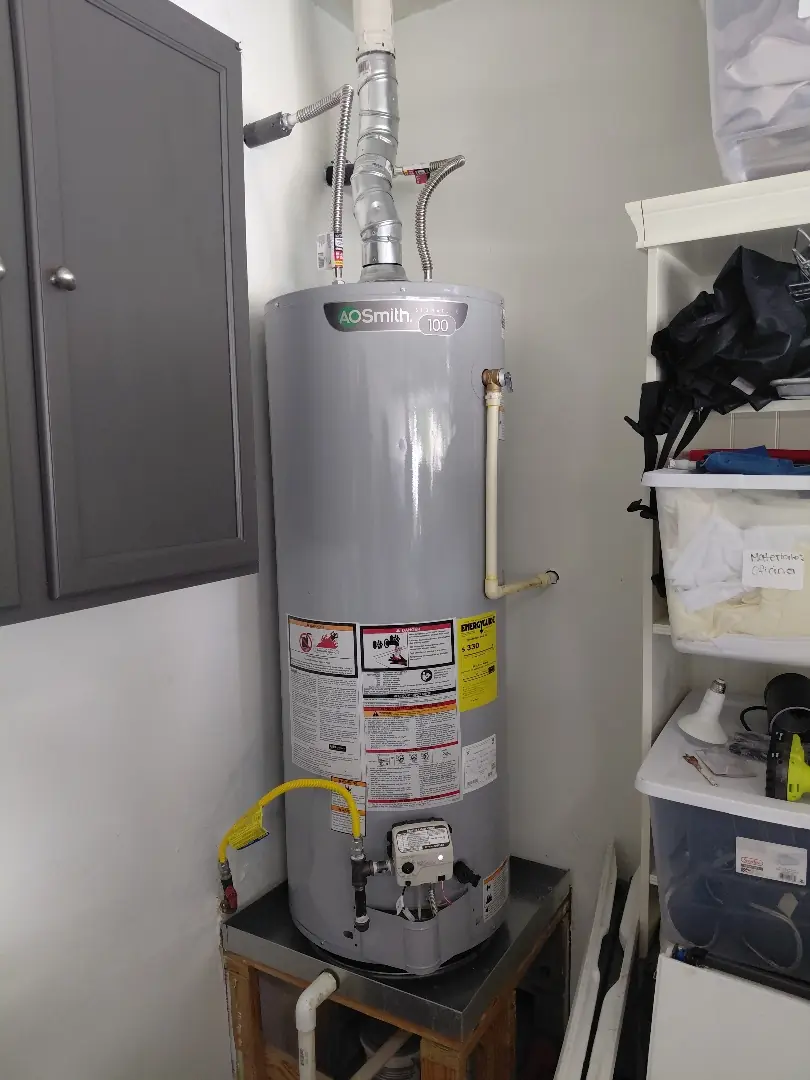
State's ProLine product family includes residential gas and electric tank water heaters.
Models are available in different capacities and configurations, allowing homeowners to select equipment based on their hot water needs and installation requirements.
The ProLine XE family includes additional options, including certain higher-efficiency models.
The specific features depend on the water heater you choose.
We'll help you review suitable tank models and understand how they compare with your existing equipment.
Choosing the Right Water Heater Size
A replacement water heater needs to provide enough hot water for your household's daily use.
Tank capacity matters, but it isn't the only factor.
We also look at the amount of water the heater can deliver during periods of heavy use and how quickly it can heat a new supply.
Common residential tank capacities include:
- 30-gallon water heaters
- 40-gallon water heaters
- 50-gallon water heaters
- Larger-capacity residential tanks
The best size depends on the number of people living in your home and how you use hot water.
For example, a family with several people showering back-to-back may need a different setup than a smaller household.
First-Hour Rating and Recovery Rate
When comparing water heaters, you'll see specifications such as first-hour rating and recovery rate.
The first-hour rating estimates how much hot water a tank water heater can deliver during a busy hour, starting with a fully heated tank.
Recovery rate measures how quickly the water heater can heat another supply of water.
These specifications matter because two tanks with the same capacity may perform differently.
We'll help you understand what the ratings mean for your household before you choose a replacement.